WALK
PLACES AND LOCATIONS IN VIENNA
A journey of discovery through Vienna to places and locations that shaped Alfred Adler, where he lived and worked and developed Individual Psychology into an important school of depth psychology.
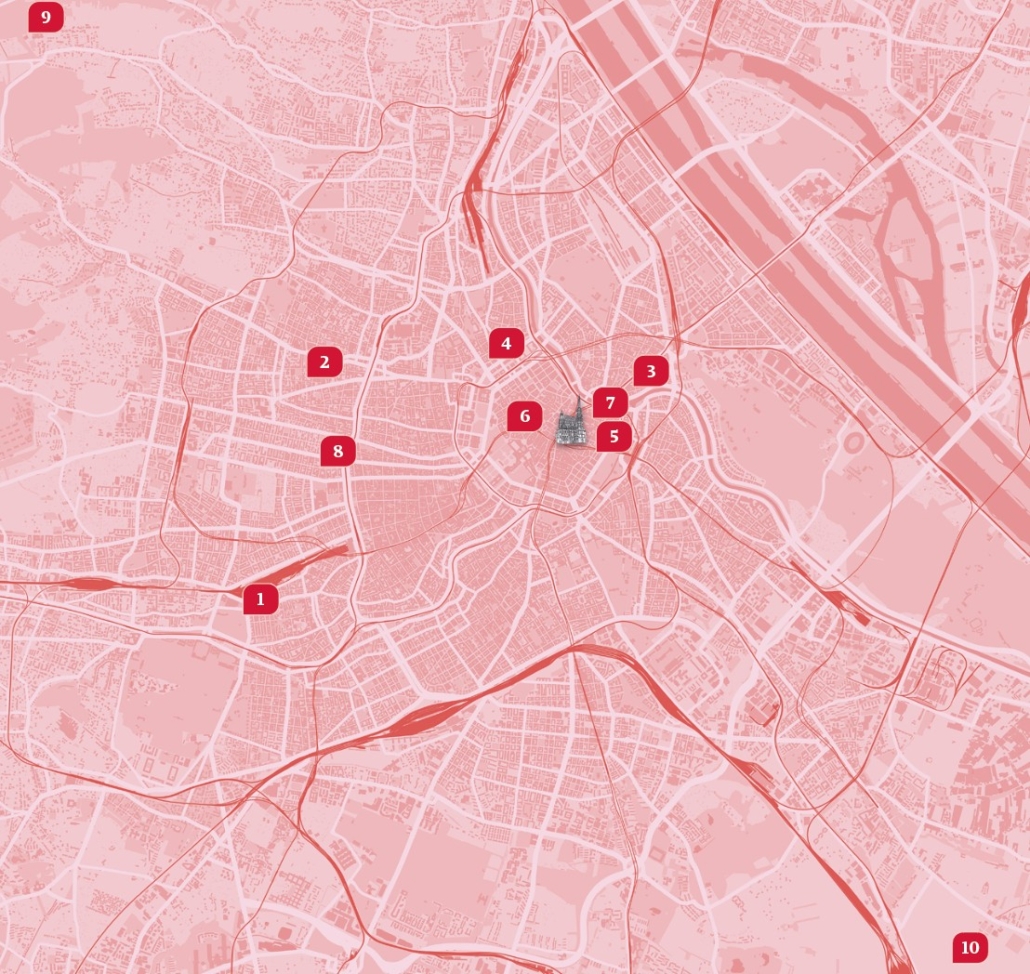
(1) Early Childhood: 15., Mariahilfer Straße 208
Alfred Adler, born in 1870, spent his first seven years in the suburb of Rudolfsheim – surrounded by the hustle and bustle of the market and the clatter of horse-drawn trams. The early death of his brother and his own illnesses awakened in him the desire to become a doctor even as a child. His social environment and early experiences would later have a decisive influence on his theories.
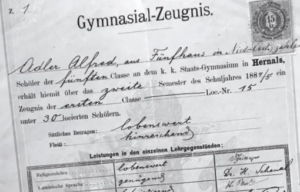
(2) Hernalser Gymnasium: 17., Geblergasse 56
From 1881, Alfred Adler attended the Hernalser Gymnasium, which was located on Kalvarienberggasse at the time and was a boys-only school. An average student, he successfully completed his high school diploma in 1888.
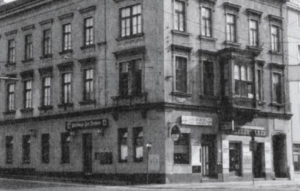
(3) 1. Practice und Apartment: 2., Czerningasse 7
After completing his medical studies, Alfred Adler married Raissa Timofejewna Epstein in 1897. In 1899, they moved to Czerningasse in Leopoldstadt, a predominantly Jewish district, where Adler opened his first practice. He treated people from all social classes, including those from the nearby Prater.
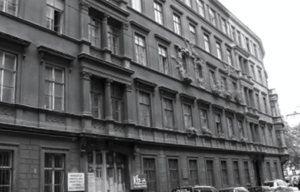
(4) Adler at Freud’s: 9., Berggasse 19
It was here, where the Sigmund Freud Museum stands today, that Freud developed the foundations of psychoanalysis and, in 1902, founded the Wednesday Psychological Society, which later became the Vienna Psychoanalytical Association. Alfred Adler was part of this exclusive circle from the very beginning. In 1911, insurmountable differences led to a split: Adler was expelled and founded his own psychoanalytical association.
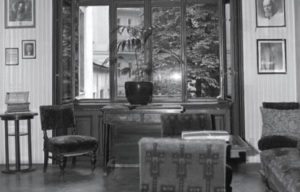
(5) 2. Practice und Apartment: 1., Dominikanerbastei 10
In 1911, the family moved to the Dominikanerbastei in the inner city, where Alfred Adler also opened a practice. In the same year, he founded the ‘Association for Free Psychoanalytic Research’, which became the ‘Association for Individual Psychology’ in 1913. The apartment became a meeting place for Adlerians. From 1927 onwards, he devoted himself increasingly to lectures, publications and travel.
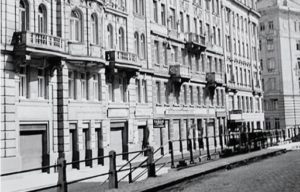
(6) Café Central: 1., Herrengasse 14
Alfred Adler is a passionate coffee house patron and frequents Café Central regularly. The place is an international meeting point with over 200 newspapers in more than 20 languages. Chess is a popular game, especially among Mr Bronstein, alias Leo Trotsky, a good friend of the Adler family.
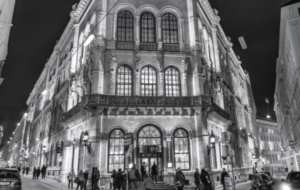
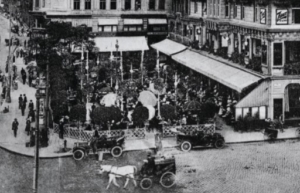
(7) Café Siller: 1., Schwedenplatz 3
Café Siller is more than just a coffee house – it becomes the living room of Viennese individual psychology, run by a former patient of Adler’s. Newspaper advertisements specifically point out that it is the ‘meeting place for individual psychologists’.
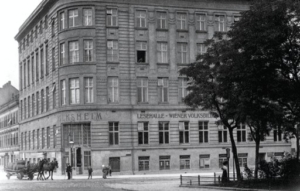
(8) Volksheim Ottakring: 16., Ludo-Hartmann-Platz 7
In 1905, Europe’s first evening adult education centre was established in the Volksheim Ottakring – in the middle of a working-class district, with the aim of making education accessible to all. After the First World War, Alfred Adler gave highly acclaimed lectures here. This led to the development of intensive individual psychological educational counselling.
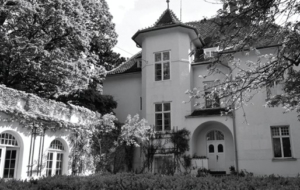
(9) Villa in Salmannsdorf: 19., Dreimarksteingasse 16
Alfred Adler’s international success enabled him to purchase a villa with a large garden on the outskirts of Vienna in 1927. The family spent their weekends and holidays there. They spent much of their free time making music, and Adler devoted himself passionately to botany and regularly welcomed students and guests.
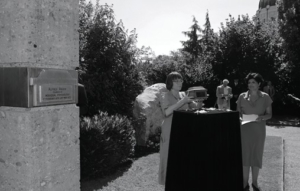
(10) Honorary grave at the Wiener Zentralfriedhof: 11., Simmeringer Hauptstraße 234
Alfred Adler died of heart failure in 1937 during a lecture tour in Aberdeen, Scotland. His urn was long considered lost until it was found in 2007 by a group of individual psychologists in Edinburgh. On the 100th anniversary of Individual Psychology in 2011, it was transferred to Vienna and buried in a grave of honour at the Central Cemetery. The urn preserves the memory of Adler’s emigration and is a silent memorial to the expulsion of Jewish intellectuals from fascist Austria.